Enhancing Your Protection From Phishing Attempts
As technology advances, the risk of cyber threats continues to grow. Phishing, in particular, remains a common tactic used by cybercriminals to gain access to sensitive information. In fact, it's estimated that over 90% of cyber attacks begin with a phishing email. These attacks can lead to significant financial and reputational damage, making it crucial for individuals and organizations to take proactive measures to enhance their protection against phishing attempts.
In this blog post, we will explore the various techniques cybercriminals use to lure their victims into clicking on malicious links or providing sensitive information. We will also discuss the importance of education and awareness when it comes to identifying phishing attempts. Additionally, we will provide practical tips and strategies that you can implement to enhance your protection against these threats.
1. Stay informed and well-instructed:
Staying knowledgeable and well-informed about the latest strategies used by cybercriminals is essential in the fight against phishing attacks.
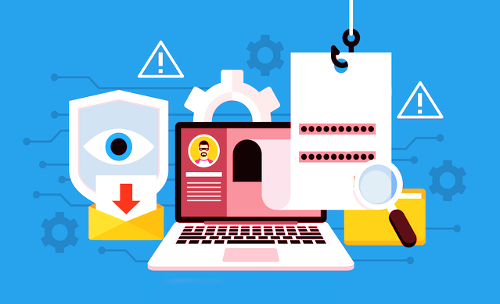
By being aware of common tactics like:
- Email spoofing
- Fraudulent links
- Social engineering
you can enhance your ability to recognize suspicious communications.
Stay informed about the latest cybersecurity best practices by consistently reading and participating in workshops or webinars led by industry professionals, ensuring you are up-to-date on the ever-changing threat landscape.
2. Analyze Email Addresses and URLs:
Exercise caution when dealing with email addresses and URLs, as phishers frequently employ deceptive tactics such as slight misspellings or modifications to make them appear genuine.
Validate the email address of the sender and inspect the domain in the URL for any irregularities or redirects. If unsure, establish direct communication with the organization using official contact information to verify the authenticity of the communication.
3. Do not click on any links or attachments that you did not request or expect:
It is advisable to exercise vigilance when interacting with links or attachments originating from unfamiliar or unexpected sources. Phishers often employ alluring offers, pressing requests, or distressing messages as a means of provoking swift responses. Prior to engaging with any link or downloading attachments, it is recommended that you independently verify the sender's identity through an alternative channel in order to ensure the legitimacy of the message.
4. Implement Two-Factor Authentication (2FA):
- Whenever it's feasible, activate two-factor authentication (2FA) for all your online accounts.
- This additional security measure demands a secondary verification method, like a temporary code sent to your phone, alongside your password.
- By following this approach, even if a phisher successfully obtains your password, they will be unable to enter your account unless they have the second authentication factor.
5. Ensure that both software and operating systems are regularly updated:
Make it a habit to frequently update your operating system, web browsers, and software applications in order to stay up-to-date with the latest security patches and bug fixes. Phishing attacks and unauthorized system access are frequently facilitated by cybercriminals who take advantage of known vulnerabilities in outdated software. Employing automated updates can effectively safeguard against these well-known weaknesses.
6. Stay alert and cautious when faced with social engineering tactics:
Individuals are often manipulated by phishers through the use of social engineering techniques, leading them to voluntarily disclose sensitive information. It is important to remain vigilant when faced with unsolicited phone calls, messages, or emails that request personal details or passwords.
If you ever receive requests for sensitive data through channels like these, it is important to verify the legitimacy of the communication with the organization directly as legitimate organizations would never ask for such information.
Visit PhishProtection Here
PhishProtection
5965 Village Way Suite 105-234, San Diego, CA 92130.
Phone: +1-855-647-4474 (USA) , +44-808-168-7042 (GB)
7. Put your money into a trustworthy anti-phishing solution:
Enhance your defense against phishing attacks by utilizing a trusted anti-phishing software. These reliable tools are designed to detect and prevent phishing emails, malicious links, and fraudulent websites, ensuring your safety from possible dangers.
In summary, it is essential to take the necessary steps to safeguard yourself from phishing attempts. With the increasing sophistication of phishing scams, it is crucial to stay vigilant and aware of the latest tactics used by cybercriminals. By enhancing your protection strategies, such as using anti-phishing software, enabling two-factor authentication, and educating yourself and your team on phishing scams, you can significantly reduce the risk of falling victim to these attacks. Remember, prevention is always better than cure, so take the necessary steps to protect your sensitive information and ensure the safety of your online activities.