The Ultimate Guide To Understanding
Your PDR Estimate Like A Pro
Your PDR Estimate Like A Pro
Paintless Dent Repair (PDR) has rapidly gained popularity as an efficient and affordable technique for restoring a vehicle’s exterior while preserving its original paint finish. If your car has endured damages from hail, minor dents in parking lots, or slight creases, a technician is likely to suggest PDR as a remedy. However, the estimate you receive for PDR might appear daunting at first. By understanding the details of each item on the estimate, you can make informed choices, avoid overspending, and communicate effectively with both repair experts and insurance companies.
What Is a PDR Estimate?
A PDR estimate provides a comprehensive overview of the anticipated expenses for eliminating dents from your car without needing to repaint or swap out panels. In contrast to conventional auto body repairs, which typically require sanding, using body fillers, and matching paint, PDR emphasizes gently reshaping the metal back to its original form with the aid of specialized equipment.
This estimate includes the technician's evaluation of the damage along with the amount of labor needed for the panel's restoration. Because PDR retains the original factory finish, it aids in upholding the resale value of your vehicle while also shortening repair duration and costs.
Key Components of a PDR Estimate
1. Number and Size of Dents
A major element influencing pricing is the quantity and dimension of dents. Repair estimates generally classify dents into three categories: small (the size of a dime), medium (the size of a quarter), and large. As the size and depth of the dent increase, so does the time and expertise required for repairs.
When it comes to hail damage, estimates often break down multiple small dents into individual entries. Each dent can carry its own cost, which can accumulate rapidly. It's essential to verify that the estimate accurately represents the total count of dents.
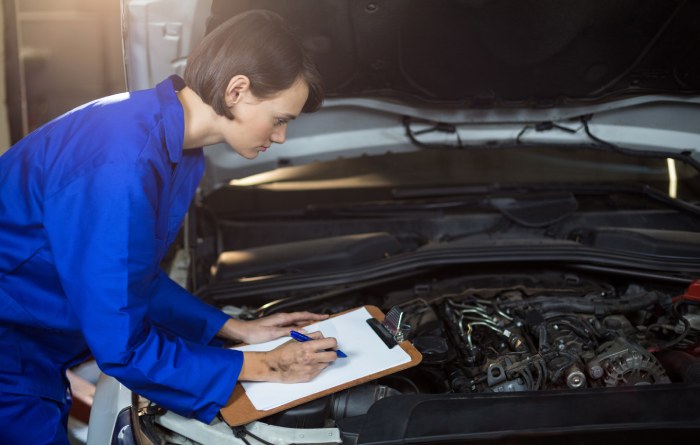
2. Location of Damage
Dents vary in complexity. For instance, a dent on a flat door surface is typically simpler to fix than one found on:
- Body lines
- Panel edges
- Roof rails
- Areas near structural braces or reinforcements
Dents situated on body lines or sharp creases demand greater precision and time, which can raise the overall cost. Your quote might reflect adjustments for “body line damage” or “edge damage.”
3. Panel Removal and Access
At times, to effectively address a dent, technicians need to take off interior panels, tail lights, or headliners.
- R&I (Remove and Install) fees
- Trim detachment
- Headliner adjustment
These actions are essential for ensuring high-quality repairs while safeguarding other parts from damage.
4. Labor Hours
Labor costs are typically assessed on a per dent or per panel basis. Various estimates involve multiplying labor hours by an hourly shop rate, which can differ based on factors such as geographic location, technician skills, and prevailing market conditions.
It’s essential to ensure that the labor rates are consistent with regional industry standards. Generally, a higher rate indicates more expertise and superior equipment.
5. Additional Charges
- Glue pull repairs
- Adjustments for aluminum panels
- Charges for significant dents
- Pricing for hail damage matrices
For instance, repairing aluminum panels can be more challenging compared to steel, often resulting in increased costs.
Insurance vs. Out-of-Pocket Estimates
When submitting an insurance claim, expect the estimate to align with typical pricing guidelines employed by adjusters. Insurers frequently use software to determine repair costs, taking into account factors such as dent size, type of panel, and level of damage.
However, if you're covering the expenses yourself, the pricing might vary a bit. It’s wise to compare quotes and request clarification from the technician regarding any discrepancies.
How to Spot a Fair PDR Estimate
- Thoroughly detailed
- Open regarding labor and access fees
- Precise about the number and size of dents
- Lacking any ambiguous or concealed charges
If you find anything unclear, don't hesitate to inquire. Trustworthy professionals will gladly clarify the specifics and outline how they arrived at the final amount.
Be wary of estimates that are significantly lower than the rest. Inexplicably low prices may suggest a lack of experience or shortcuts that could negatively affect the outcome.
Questions to Ask Before Approving the Repair
Before you finalize anything, you might want to inquire about the following:
- Will the repair be entirely paintless?
- Is there any chance the original paint could be damaged?
- What is the estimated duration for the repair?
- Is there a warranty provided for the service?
Having clarity on these aspects will help you understand what you're investing in. Check out this webpage for a more in-depth understanding.