- Dent Size and Depth: The larger and deeper the dent, the more time and expertise are needed to repair it. Small dings can often be fixed quickly and at a lower cost, while larger dents require advanced techniques and more labor hours.
- Number of Dents: If your car has multiple dents—such as after a hailstorm—the repair will naturally cost more. However, many shops offer volume pricing, meaning the cost per dent may decrease when fixing several at once.
- Location of the Dent: Dents on flat, accessible panels like doors or hoods are generally easier and cheaper to repair. Damage near edges, body lines, or on structural components may require specialized tools and more effort, raising the estimate.
- Vehicle Make and Model: Luxury vehicles or those with aluminum panels often cost more to repair. Aluminum is harder to manipulate than steel, and some high-end vehicles require manufacturer-specific repair standards, which can influence pricing.
- Accessibility and Time: If technicians need to remove interior panels, trim, or other components to reach the back of the dent, the labor time adds to the overall cost. Accessibility is one of the most underestimated factors in determining a PDR estimate. Learn more by visiting this link.
- Work With Preferred Shops: Some insurers have preferred repair networks. Choosing one of these shops may streamline approval and payment. However, you’re not obligated to use them—you can always select a trusted local PDR shop.
- Documentation Matters: Ensure your estimate includes photos and detailed notes. This helps the insurance adjuster verify the damage and speeds up the claims process.
The Ultimate Guide To Getting
An Accurate PDR Estimate
An Accurate PDR Estimate
When your car suffers dents from hail, door dings, or minor accidents, paintless dent repair (PDR) is often the most cost-effective and efficient solution. But before committing, you’ll want to know the price. Unfortunately, getting an accurate PDR estimate isn’t always straightforward; several factors affect the cost, from dent size to panel location.
What Is a PDR Estimate?
A PDR estimate is a detailed assessment that outlines how much it will cost to repair dents on your vehicle using the paintless dent repair method. Unlike traditional auto body repair estimates that may include sanding, painting, or part replacements, a PDR estimate focuses on restoring the vehicle’s panels without disturbing the original paint finish.
Why Accuracy Matters
An accurate estimate not only prevents unpleasant surprises at the repair shop but also ensures you’re not overpaying for services. Insurance companies often require detailed PDR estimates to process claims, so precision directly affects how quickly and easily you can get your vehicle back on the road.
Factors That Influence a PDR Estimate
Not all dents are created equal. To understand why estimates vary, it helps to know what technicians consider when evaluating damage.
How to Get an Accurate PDR Estimate
Now that you understand what affects the cost, here’s how to make sure you receive a precise and fair estimate.
Request an In-Person Inspection
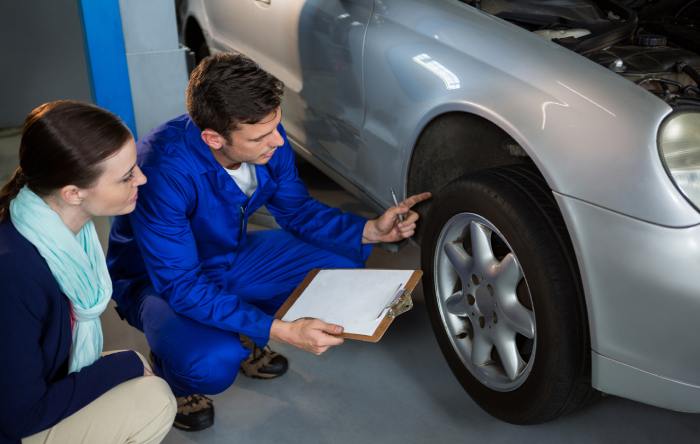
While online quote forms and photos can give you a ballpark figure, nothing beats an in-person evaluation. A skilled technician can assess subtle factors, such as paint stretch, metal type, and dent accessibility, that photos may not reveal. This hands-on inspection ensures you receive the most accurate estimate tailored to your vehicle’s unique condition.
Choose a Certified PDR Technician
Having the right experience and training is crucial. Certified professionals adhere to industry guidelines, which helps guarantee that their estimates accurately reflect the actual work required. This adherence also enhances the chances that insurance companies will approve the estimates without any issues. Opting for a qualified expert can save you time and help you avoid expensive errors in the future.
Ask for a Detailed Breakdown
A quality estimate should itemize the costs based on dent size, location, and panel count. Transparency helps you understand what you’re paying for and prevents hidden fees. It also makes it easier to compare estimates from different shops without confusion. Additionally, detailed itemization provides you with confidence that the technician is thorough and professional in their assessment.

Compare Multiple Estimates
Getting quotes from at least two or three reputable shops allows you to see the pricing range and identify outliers. Be cautious of estimates that seem unusually low, as they may indicate shortcuts in repair quality. Always balance cost with experience and reputation to ensure long-lasting results.
Insurance and PDR Estimates
If your dents are the result of hail damage or an accident, your insurance company may cover PDR. In this case, the accuracy of your estimate becomes even more critical.