In today's digital age, cybersecurity has become a critical aspect of our daily lives. As more and more of our personal and professional information is stored online, we must be vigilant in protecting ourselves from cyber threats. One of the most common and dangerous forms of cybercrime is phishing. Phishing is a technique used by hackers to trick individuals into revealing sensitive information such as login credentials, banking details, and personal identification. This form of cyber attack is becoming increasingly sophisticated, making it essential for individuals and businesses to adopt best practices for phishing prevention.
Preventing phishing attacks requires a combination of knowledge, awareness, and technical measures. This blog post will outline the essential best practices for phishing prevention that individuals and businesses can implement to secure their digital assets. We will explore the different types of phishing attacks, how to identify them, and what to do if you fall victim to one.
Ensure that your team is both educated and trained:
A workforce that is well-informed and attentive serves as an initial defense line against phishing attacks. Implement regular cybersecurity training programs for employees, stressing the significance of being able to identify and respond to phishing attempts.
Instruct them in recognizing questionable emails, URLs, and attachments. Emphasize the impact of becoming a target of phishing attacks, both on an individual level and within the organization.
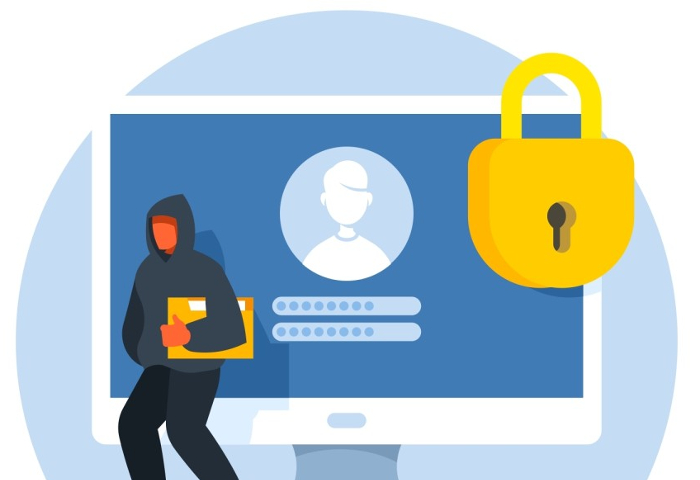
Employ Advanced Email Security Solutions:
By incorporating advanced email security solutions, you can greatly enhance your protection against phishing attacks.
Utilize state-of-the-art email filtering mechanisms that possess the ability to proactively detect and confine dubious emails before they infiltrate your employees' inboxes. These innovative solutions leverage machine learning algorithms to thoroughly scrutinize the content, sender conduct, and additional attributes of every email, thereby effectively recognizing any possible threats.
Validate the Legitimacy of the Email Sender:
To trick their targets, phishers commonly assume the identity of trusted entities. To tackle this issue, it is crucial to confirm the legitimacy of email senders. Employees should be urged to thoroughly cross-check the sender's email address, especially in cases where they receive unexpected solicitations for sensitive information or financial transactions.
Avoid downloading any attachments that seem suspicious:
Phishing emails often carry attachments that may contain malware or other dangerous payloads. It is important to be vigilant and exercise caution when dealing with attachments, especially if they come from an untrusted source. Always verify the legitimacy of both the sender and the attachment before downloading or opening it.
Deploy Multi-Factor Authentication (MFA):
Multi-factor authentication enhances security by demanding users to provide multiple forms of identification prior to granting access to accounts or systems. The implementation of MFA adds an extra layer of authentication, making it significantly more difficult for unauthorized individuals to gain access, even if they succeed in stealing login credentials through phishing attacks.
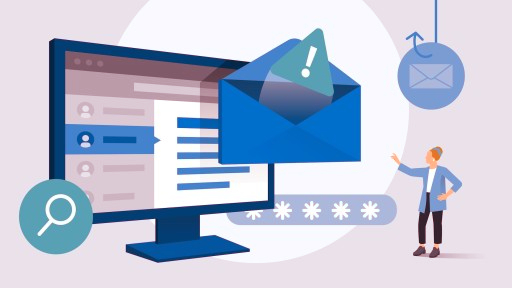
Ensure that your software and systems are always up to date:
Neglecting to update software and operating systems puts them at risk of being exploited by cybercriminals.
Make sure to keep all
- software
- including email clients
- web browsers and
- operating systems up to date by applying security patches.
Utilizing automatic updates is a simple way to safeguard against the most recent threats.
Ensure the implementation of a comprehensive plan to effectively respond to cybersecurity incidents:
It is of utmost importance to have a well-established incident response plan in place in the event of a successful phishing attack.
To effectively handle breaches, it is crucial to establish a well-structured plan that details the necessary steps.
This includes
- devising effective communication strategies
- implementing containment procedures and
- establishing data recovery protocols.
Regularly reviewing and updating this plan is vital in order to remain prepared for evolving threats.
Keep Up-to-Date with the Latest Phishing Trends:
Keep up to date with the latest phishing trends and tactics by staying informed through cybersecurity news and industry reports. It is important to understand the ever-evolving techniques used in phishing in order to effectively adapt your prevention strategies and address the most current risks.
To put it simply, phishing attacks have become increasingly sophisticated and common, making it crucial for individuals and organizations to take proactive measures to prevent them. Implementing best practices such as using email filters, educating employees on how to identify and report phishing attempts, and regularly updating software and security protocols can go a long way in preventing costly data breaches and protecting sensitive information. By prioritizing cybersecurity and staying vigilant, we can mitigate the risk of falling victim to phishing attacks and safeguard our digital assets.